
New
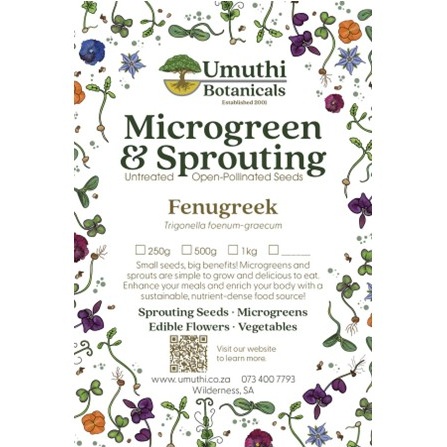
Microgreen and Sprouting Seeds Fenugreek 100g UB
$ 2.17
Fenugreek (Trigonella frenum-graecum), also known as methi, is an herb commonly used in cooking, traditional medicine, and as a health supplement. Its seeds, sprouts, and microgreens offer a unique, slightly bitter flavor with a hint of maple. Fenugreek is a nutrient-rich herb that provides numerous health benefits, especially in managing blood sugar, supporting heart health, and promoting digestive well-being. Scientific Name: Trigonella foenum-graecum Flavor Profile: Slightly bitter, with hints of maple syrup and nutty notes Texture: Crisp leaves and stems with a tender, fresh bite Culinary Uses: Fenugreek sprouts and microgreens can be added to salads, sandwiches, and curries for a distinctive flavor. The seeds are also used in cooking and spice blends like curry powder. Storage: Store fresh fenugreek in the refrigerator in a sealed container to preserve flavor and freshness. Dried seeds should be kept in an airtight container away from heat and light. HEALTH BENEFITS Including fenugreek sprouts or microgreens in your diet can provide a variety of health benefits: Blood Sugar Control: Fenugreek is known for its ability to regulate blood sugar levels and improve insulin sensitivity, making it a beneficial addition to the diet of individuals with diabetes or prediabetes. Digestive Health: The fiber in fenugreek helps promote healthy digestion, relieve constipation, and soothe inflammation in the gastrointestinal tract. Heart Health: Fenugreek contains soluble fiber and antioxidants that may help lower cholesterol levels, reduce blood pressure, and support overall heart health. Anti-Inflammatory Effects: Fenugreek contains natural anti-inflammatory compounds that may help reduce inflammation in the body, supporting joint and muscle health. Breast Milk Production: Fenugreek is widely recognized for its ability to stimulate breast milk production in lactating women, making it a popular herb in breastfeeding support. Rich in Nutrients: Fenugreek is a good source of essential vitamins like A, C, and B-complex vitamins, which support immune function, skin health, and energy production. It also contains minerals such as iron, calcium, and potassium that are important for maintaining healthy bones, muscles, and overall bodily function. Protein Source: Fenugreek is an excellent plant-based protein source, making it a valuable addition to vegetarian and vegan diets. The protein content can support muscle growth and repair, as well as help maintain overall tissue health. Antioxidants: Fenugreek is rich in antioxidants, including flavonoids and phenolic compounds, which help combat oxidative stress and reduce the risk of chronic diseases like heart disease and cancer. GROWING INSTRUCTIONS Sprouting Seeds: What You’ll Need Wide-mouth glass jar Sprouting lid or fine mesh screen Umuthi Sprouting Seeds Grow out of direct sunlight Germination Time: 4–6 daysOptimal Temperature: 65°F–75°F (18°C–24°C) Instructions: Prepare by choosing from our untreated seed varieties. Rinse seeds thoroughly under cool running water. Soak seeds in a sprouting jar or wide-mouth jar covered with mesh or cheesecloth. Add water to cover and let soak for 6-10 hours. Drain the soaking water and rinse seeds again. Tilt the jar upside down at an angle to drain excess water while allowing airflow. Rinse and drain twice a day, every day. Store the jar in a cool, well-ventilated area away from direct sunlight. Harvest when sprouts reach 1–2 inches (generally in 4–6 days depending on the seed type). Give them a final rinse before eating. Refrigerate sprouts in a sealed container and consume within a few days for best freshness. Growing Microgreens: What You’ll Need Shallow growing tray Well-draining growing medium Umuthi Microgreen Seeds Spray bottle Sharp scissors Germination Time: 3–5 daysOptimal Temperature: 70°F–75°F (21°C–24°C) Instructions: Prepare by choosing from our untreated seed varieties. Fill a shallow tray with a well-draining growing medium (e.g., potting soil or coco coir). Moisten the medium evenly—damp but not soggy. Sprinkle microgreen seeds evenly across the surface. Gently press them into the soil; no need to cover the seeds with growing medium. Cover the tray with a lid or plastic wrap to maintain humidity. Place in a warm, shaded spot for 3-5 days. Uncover after 2–3 days once seeds have sprouted. Move to a well-lit area or use grow lights. Spray with water regularly to keep the soil moist but not waterlogged. Harvest in 10–14 days when microgreens are 2–3 inches tall and have their first true leaves. Cut just above the soil line using clean scissors. Rinse gently before eating or storing in the fridge. Cleanliness Tips: Wash your hands before handling seeds or sprouts. Use clean jars, trays, and tools. Regularly sanitize reusable sprouting or growing equipment.
Related products
New
New
New
New
