
New
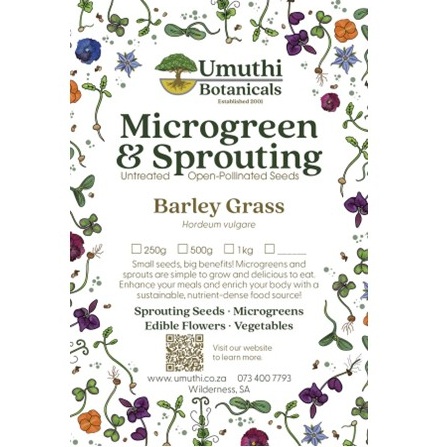
Microgreen and Sprouting Seeds Barley Grass 100g UB
$ 2.19
Barley Grass Seed (Hordeum vulgare) produces vibrant, tender shoots that are nutrient-dense and easy to grow. These young, leafy greens have a fresh, mild flavor and are commonly consumed as sprouts or microgreens. Barley grass grows quickly, making it a favorite for gardeners of all levels. Scientific Name: Hordeum vulgare Flavor Profile: Fresh, mild, and slightly grassy. Texture: Tender, crisp, and crunchy. Culinary Uses: Ideal for juicing, smoothies, health shots, or adding to salads for a nutritious boost. Growing Tips: Barley grass is easy to grow indoors or outdoors. Simply soak the seeds for 6–8 hours before planting, then keep the soil moist. Harvest when the shoots are 4–6 inches tall. HEALTH BENEFITS Barley grass is a powerhouse of nutrients that supports overall health, making it an excellent addition to any diet: Rich in Vitamins: High in vitamins A, C, E, and K, important for eye health, immune function, and skin health. Contains smaller amounts of vitamins B1, B2, B3, B5, B6, and folate, which support energy production and metabolic processes. Mineral-Rich: Provides essential minerals like calcium, magnesium, potassium, iron, and zinc, supporting bone health, cardiovascular function, and vitality. Digestive Support: The high fiber content aids digestion, promoting regular bowel movements and supporting overall gut health. Chlorophyll and Detoxification: Known for its high chlorophyll content, barley grass helps detoxify the body, eliminating toxins and supporting liver function. Antioxidant Protection: Contains flavonoids and phenolic compounds that act as antioxidants, protecting the body from oxidative stress and supporting natural defense mechanisms. Heart Health: The fiber and antioxidants may help regulate cholesterol levels and support cardiovascular function. Anti-inflammatory Properties: Contains compounds that help reduce inflammation and support overall well-being. GROWING INSTRUCTIONS Sprouting Seeds: What You’ll Need Wide-mouth glass jar Sprouting lid or fine mesh screen Umuthi Sprouting Seeds Grow out of direct sunlight Germination Time: 4–6 daysOptimal Temperature: 65°F–75°F (18°C–24°C) Instructions: Prepare by choosing from our untreated seed varieties. Rinse seeds thoroughly under cool running water. Soak seeds in a sprouting jar or wide-mouth jar covered with mesh or cheesecloth. Add water to cover and let soak for 6-10 hours. Drain the soaking water and rinse seeds again. Tilt the jar upside down at an angle to drain excess water while allowing airflow. Rinse and drain twice a day, every day. Store the jar in a cool, well-ventilated area away from direct sunlight. Harvest when sprouts reach 1–2 inches (generally in 4–6 days depending on the seed type). Give them a final rinse before eating. Refrigerate sprouts in a sealed container and consume within a few days for best freshness. Growing Microgreens: What You’ll Need Shallow growing tray Well-draining growing medium Umuthi Microgreen Seeds Spray bottle Sharp scissors Germination Time: 3–5 daysOptimal Temperature: 70°F–75°F (21°C–24°C) Instructions: Prepare by choosing from our untreated seed varieties. Fill a shallow tray with a well-draining growing medium (e.g., potting soil or coco coir). Moisten the medium evenly—damp but not soggy. Sprinkle microgreen seeds evenly across the surface. Gently press them into the soil; no need to cover the seeds with growing medium. Cover the tray with a lid or plastic wrap to maintain humidity. Place in a warm, shaded spot for 3-5 days. Uncover after 2–3 days once seeds have sprouted. Move to a well-lit area or use grow lights. Spray with water regularly to keep the soil moist but not waterlogged. Harvest in 10–14 days when microgreens are 2–3 inches tall and have their first true leaves. Cut just above the soil line using clean scissors. Rinse gently before eating or storing in the fridge. Cleanliness Tips: Wash your hands before handling seeds or sprouts. Use clean jars, trays, and tools. Regularly sanitize reusable sprouting or growing equipment.
Related products
New
New
New
